

Vibgyor Guest
Sign in to access your account

Saved Places
 4/5
4/5
Contact Us
4517 Washington Ave.
Manchester, Kentucky 39495
Hours: 8:00 - 17:00, Mon - Sat
support@vibgyorholidays.com
Vibgyor Guest
Sign in to access your account
4517 Washington Ave.
Manchester, Kentucky 39495
Hours: 8:00 - 17:00, Mon - Sat
support@vibgyorholidays.com
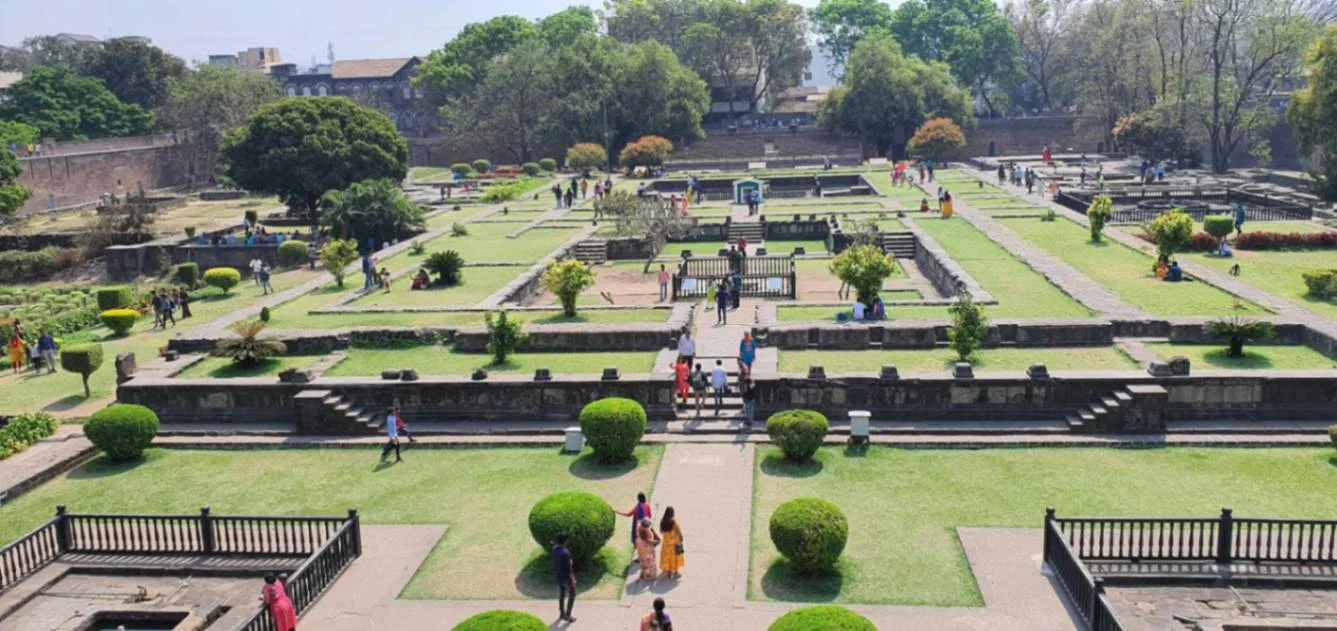
Step into the echoes of Maratha grandeur at Shaniwar Wada, Pune's most iconic fortress that once served as the seat of the mighty Peshwa rulers. This magnificent 18th-century fort palace captivates visitors with its imposing fortified walls, intricate architectural details, and the haunting beauty of its partially ruined structures. The massive teak gates and towering bastions tell stories of a glorious past when this was the political heart of the Maratha Empire.
Explore the sprawling complex where ornate gardens, fountains, and palace remains create an atmospheric journey through history. The impressive Hazari Karanje (thousand-fountain courtyard) and the remnants of what was once a seven-story palace showcase the opulence of Peshwa lifestyle. Evening visits are particularly magical, as the fort transforms under dramatic lighting that illuminates its weathered walls and creates an almost mystical ambiance.
Beyond its historical significance, Shaniwar Wada offers visitors a unique blend of architectural marvel and cultural immersion. The fort hosts captivating light and sound shows that bring its dramatic history to life, including tales of political intrigue, romance, and tragedy. Whether you're a history enthusiast, architecture lover, or simply seeking to experience Pune's royal heritage, this fortress promises an unforgettable glimpse into Maharashtra's glorious past.
Shaniwar Wada stands as one of Pune's most iconic historical monuments, built in 1732 by Bajirao I, the legendary Peshwa of the Maratha Empire. This magnificent fortified palace served as the seat of the Peshwas until 1818, representing the zenith of Maratha architectural prowess and political power. The name "Shaniwar Wada" translates to "Saturday Palace," as construction began on a Saturday, considered an auspicious day in Maratha tradition.
The palace complex witnessed some of the most significant events in Maratha history, including political negotiations, royal ceremonies, and strategic military planning that shaped 18th-century India. The most tragic and mysterious event occurred in 1773 when the young Peshwa Narayanrao was assassinated within these very walls, leading to the devastating Third Battle of Panipat and subsequent decline of Maratha power. The palace also served as the center of administration for the vast Maratha territories stretching across the Indian subcontinent.
Cultural significance of Shaniwar Wada extends far beyond its political importance, as it became a hub of Marathi literature, music, and dance during the Peshwa era. The complex housed renowned scholars, poets, and artists who contributed to the golden age of Marathi culture. Though a devastating fire in 1828 destroyed much of the original structure, leaving only the massive walls and gates, Shaniwar Wada remains a powerful symbol of Maratha heritage and continues to inspire pride in Maharashtra's glorious past, attracting thousands of visitors who come to witness this testament to India's rich historical legacy.
Shaniwar Peth, Pune