
Suggested Duration
1-2 hours
Timings
6:00 AM - 6:00 PM
Entry Fee
INR 30 Indians, INR 200 foreigners
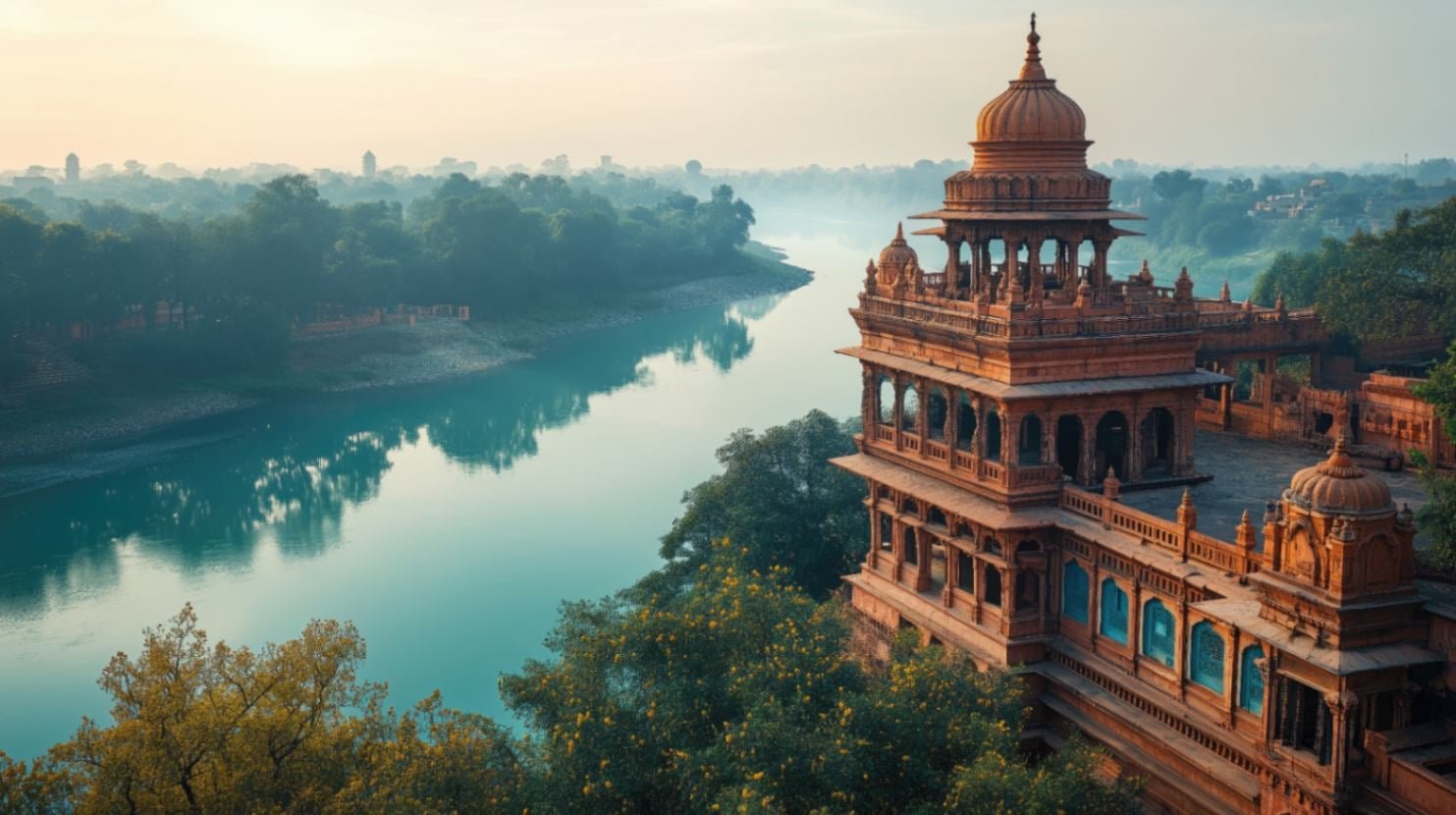
Tucked away on the northern bank of the Yamuna River, directly opposite the iconic Taj Mahal, Mehtab Bagh — meaning "Moonlit Garden" — is one of Agra's most enchanting yet lesser-known treasures. Originally conceived by the Mughal Emperor Babur and later restored by Shah Jahan himself, this sprawling charbagh-style garden was designed to be the perfect vantage point for gazing upon his greatest masterpiece. History, romance, and tranquility converge here in the most breathtaking way imaginable.
As you wander through the lush, symmetrically laid-out grounds, you'll discover fountains, pavilions, and fragrant flower beds that whisper stories of a golden Mughal era. But the true magic of Mehtab Bagh lies at its northern end, where a stunning reflecting pool mirrors the silhouette of the Taj Mahal against the open sky — a vision so perfectly framed it feels almost unreal. At sunrise and sunset, the light transforms this view into something truly otherworldly, making it an absolute paradise for photographers and romantics alike.
Unlike the bustling crowds that throng the Taj Mahal complex, Mehtab Bagh offers a peaceful, unhurried experience where you can absorb the grandeur of the Taj from a completely different perspective. Many visitors consider this quiet garden the best-kept secret in Agra — a place where you can reflect, breathe, and genuinely connect with the timeless beauty surrounding you.
Whether you're a history enthusiast, a nature lover, or simply someone searching for a moment of serene wonder, Mehtab Bagh promises an experience that lingers long after you leave. Add it to your Agra itinerary and discover why this moonlit garden is truly worth every step.
Mehtab Bagh, whose name beautifully translates to "Moonlit Garden", was originally commissioned by the Mughal Emperor Babur in the early 16th century as part of his ambitious plan to create a series of eleven gardens along the Yamuna River in Agra. The garden was later restored and significantly developed during the reign of Emperor Shah Jahan in the 17th century, who recognized its extraordinary potential as a complementary space to the iconic Taj Mahal, which stands directly across the river on the opposite bank.
During Shah Jahan's era, Mehtab Bagh held profound imperial significance. Historical accounts and legends suggest that the emperor himself would sit within these lush grounds to admire the Taj Mahal's reflection shimmering in the Yamuna — a spectacle considered among the most breathtaking sights of the Mughal world. Some historians even point to intriguing architectural evidence suggesting Shah Jahan had envisioned constructing a Black Taj Mahal here as his own mausoleum, mirroring the white marble masterpiece across the river, though this theory remains a captivating subject of historical debate.
Over the centuries, Mehtab Bagh fell into severe neglect and was largely buried under silt deposited by recurring Yamuna floods. It wasn't until the late 20th century that the Archaeological Survey of India undertook extensive excavation and restoration efforts, uncovering its original Mughal-era fountains, pathways, and geometric layout characteristic of the classic charbagh (four-garden) style beloved by Mughal emperors.
Today, Mehtab Bagh stands as a deeply evocative cultural landmark that completes the Taj Mahal's story. Its cultural importance lies not only in its stunning architectural heritage but also in offering travelers a rare, uncrowded perspective of the Taj Mahal — framed by golden sunsets and the timeless flow of the Yamuna River.
Taj Mahal North Gate, Agra